
Patiala Shahi – The Crown of Royalty
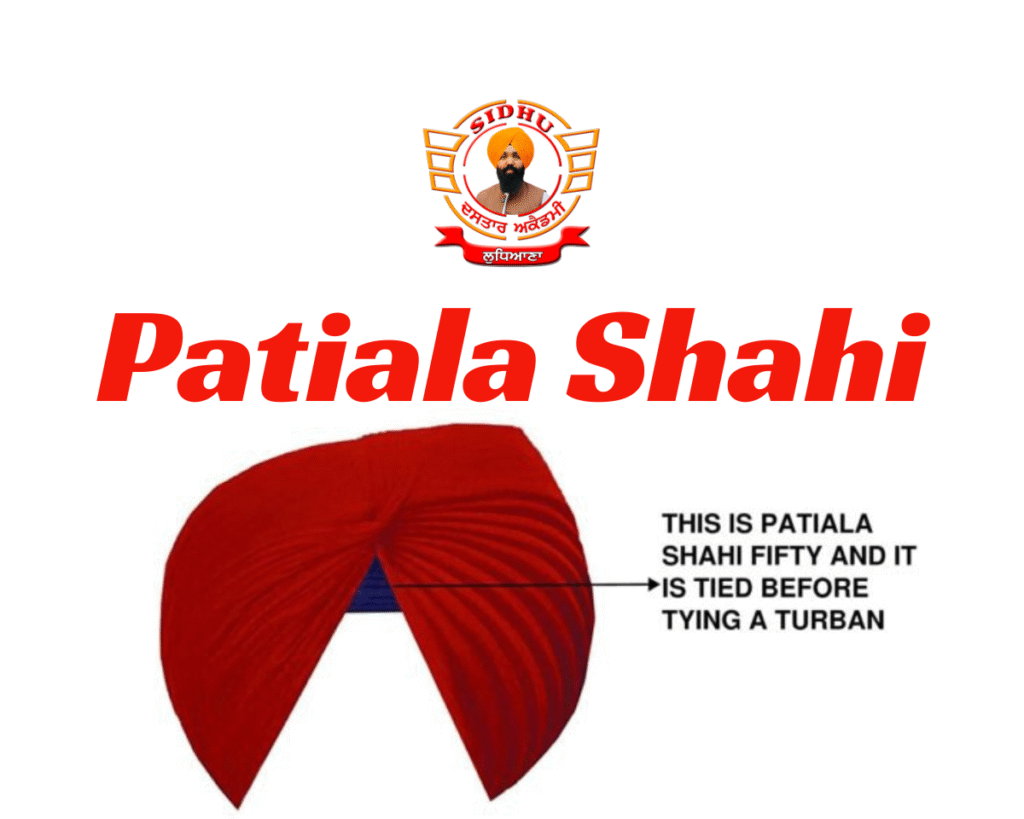
The turban, or Dastar, is far more than a piece of cloth for Sikhs – it is their crown, identity, and pride. Among the many turban-tying styles, the Patiala Shahi stands out as one of the most majestic and regal forms. Rich in history and elegance, this style reflects the spirit of royalty, leadership, and cultural pride.
The Origins of the Patiala Shahi Turban
The Patiala Shahi style traces its roots back to the princely state of Patiala in Punjab. The kings and royals of Patiala wore this unique style as a mark of authority and grandeur. Its distinctive layered folds and flared structure set it apart, earning it the title of the “Crown of Royalty.”
Over time, this style moved beyond royal courts and became a beloved turban style for Sikhs across Punjab and the world. Today, it symbolizes not just power and nobility but also dignity, responsibility, and cultural pride.
What Makes Patiala Shahi Unique?
The Patiala Shahi turban is instantly recognizable for its voluminous structure and multiple layers, carefully folded to create a balanced yet majestic appearance. Here are the features that make it stand out:
Layered Folds (Larrs): The folds are neatly aligned, giving it a royal and full look.
Broad Front: A wider base at the forehead, which enhances confidence and presence.
Regal Flare: The sides are slightly flared, making it look grand and imposing.
Symbol of Pride: Wearing this turban is a statement of elegance, courage, and identity.
Unlike simpler turbans, the Patiala Shahi demands patience and skill to tie perfectly. Each fold is a reflection of discipline and tradition.
Cultural and Spiritual Significance
In Sikhism, the turban is a crown – a symbol of sovereignty, self-respect, and responsibility. The Patiala Shahi style elevates this symbolism by adding an aura of royalty. Historically, it was worn by leaders, warriors, and kings, reinforcing the values of honor, bravery, and leadership.
Even today, the Patiala Shahi is not just about looks – it carries a spiritual meaning. Tying it reminds the wearer of their duty to walk with dignity, stand up for truth, and live with grace.
Where the Patiala Shahi is Popular Today
The Patiala Shahi remains a preferred turban style for:
Weddings & Ceremonies: Grooms often choose this style to reflect grandeur on their big day.
Cultural Events & Shows: Its majestic look makes it a popular choice for stage performances and heritage programs.
Everyday Wear: Many Sikh men proudly tie this turban daily, carrying forward tradition with pride.
International Sikh Community: From Canada to the UK, Sikhs abroad wear Patiala Shahi to stay connected with their roots.
The Modern Appeal of Patiala Shahi
While rooted in history, the Patiala Shahi continues to evolve with fashion and modern preferences. Today, people experiment with:
Colors: From traditional navy blue and white to bright shades like orange, maroon, and royal blue.
Fabrics: Lighter, breathable fabrics are now used, making it easier to tie and maintain.
Personal Touches: Some combine the Patiala Shahi with accessories like Kalgis (turban ornaments) for weddings and celebrations.
This adaptability keeps the style alive and relevant for new generations while maintaining its royal charm.
Conclusion: A Crown That Never Fades
The Patiala Shahi turban is more than just a style – it is a heritage of Punjab, a symbol of Sikh identity, and the crown of royalty. From its royal beginnings in Patiala to its widespread popularity today, this turban continues to inspire respect, pride, and admiration wherever it is worn.
Wearing a Patiala Shahi is not only about appearance – it is about carrying forward centuries of tradition, honor, and dignity. Truly, it remains the Crown of Royalty in the world of turbans.